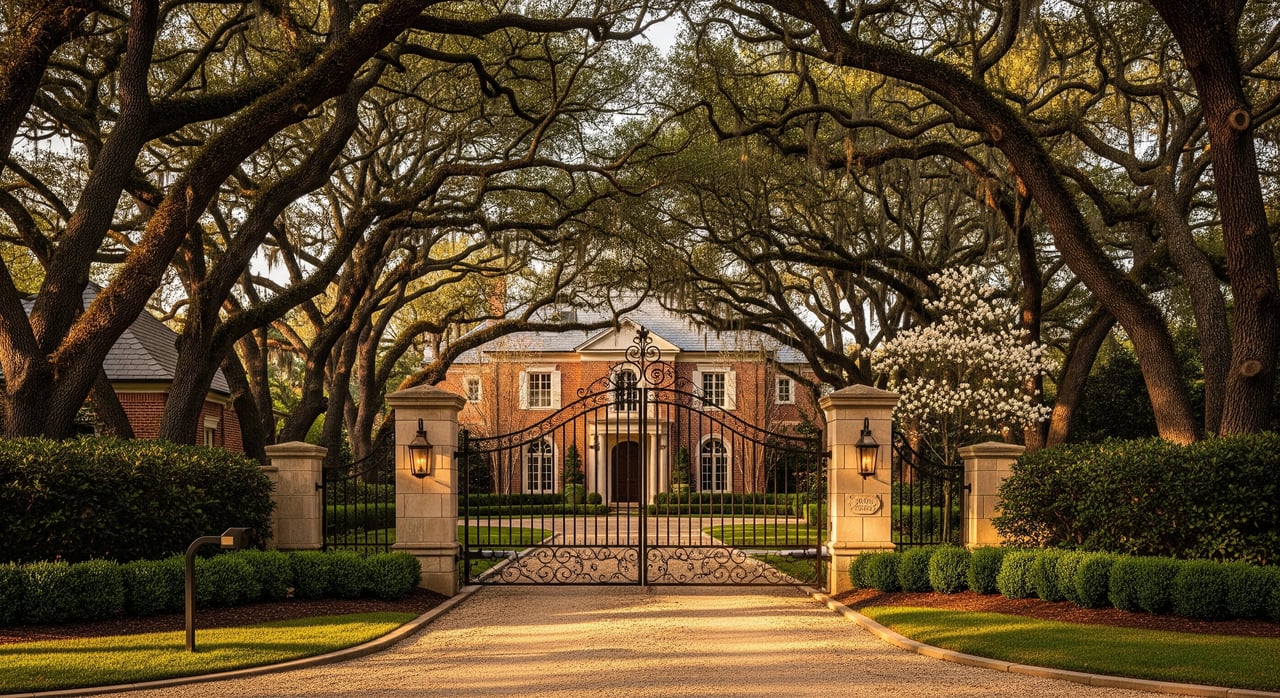
Selling a beloved Afton Oaks estate without the spotlight can feel like a balancing act. You want a strong price and a smooth process, but you also want to protect your time, privacy, and routines. With the right plan, you can do both. This guide walks you through a discreet, step‑by‑step strategy tailored to Afton Oaks and nearby River Oaks so you can control exposure, reduce surprises, and attract the right buyers. Let’s dive in.
Why discretion matters in Afton Oaks
Luxury buyers in Afton Oaks and River Oaks expect quality, convenience, and confidence. Many value privacy as much as finishes. They also look for a clear narrative about the home’s provenance, design, and maintenance. When you prepare thoughtfully, you meet those expectations while keeping your household protected.
These neighborhoods see qualified buyers year‑round, with more activity from late winter to spring. That said, a targeted off‑market window can be very effective if you want limited public exposure. Your approach should reflect current inventory, recent solds, and days on market, which your listing advisor will assess using local luxury data.
Start with a private condition packet
A thorough condition packet reduces renegotiation risk and keeps conversations short and focused. It also allows you to release detailed information only to vetted buyers.
Pre‑listing inspections to reduce surprises
Order inspections before you market the home, then decide what to fix and what to disclose. Prioritize:
- Full home inspection by an ASHI‑certified or equivalent inspector
- Structural or engineering review for older foundations or major additions
- Roof inspection, with thermal or drone review for large roofs
- HVAC, plumbing, and electrical evaluations by licensed contractors
- Sewer or main line camera scope if risk factors exist
- Pool and spa inspection, if applicable
- Wood‑destroying insect inspection, often requested by lenders in Texas
- Environmental items as needed, such as lead disclosure for pre‑1978 homes and targeted testing only where visible concerns exist
What to include in your condition packet
Compile documents so buyers can review quickly and privately:
- Inspection reports and any follow‑up repair invoices
- Permit history and contractor service records
- Wood‑destroying insect report and treatment proof, if applicable
- Survey, elevation certificate if available, and recent utility statements
- A concise property narrative noting architect, builder, and renovation timeline
Share the full packet only with qualified, NDA‑bound parties. This keeps private details out of general circulation while signaling transparency to serious buyers.
Triage repairs and high‑impact updates
Aim for updates that clear objections and look great in photos without lengthy permits or disruption.
Fix first: safety and systems
Address items that derail closings:
- Safety or code issues identified in inspections
- Major mechanical defects or aging components near end of life
- Active water intrusion or evidence of leaks
- Roof repairs and flashing corrections
- Termite treatments and documentation
- Any unpermitted work that could complicate lending or title
Smart cosmetic refreshes
These low‑friction upgrades often deliver strong visual ROI:
- Neutral interior paint and simple exterior touchups
- Refinished hardwoods and carpet refresh where needed
- Updated lighting and streamlined fixtures in key rooms
- Professional landscaping, power washing, and window cleaning
Keep receipts, permits, and warranties. Include them in the disclosure packet to reinforce buyer confidence.
Decluttering and household logistics
For legacy sellers, privacy and continuity matter. Keep movement in the home controlled and predictable.
White‑glove coordination and minimal disruption
- Use a concierge move service to remove personal photos, art, and valuables to secure storage before any showings
- Coordinate showing windows with household staff and security so daily routines stay intact
- Stage only essential spaces that drive the purchase decision, such as formal living, dining, primary suite, and kitchen
Stage for photos, not foot traffic
Your goal is premium presentation with minimal time on display.
Focus rooms that sell
Work with a luxury stager who understands estate‑scale spaces. Priorities include:
- Proper furniture scale for grand rooms
- Layered warm lighting and simple, elevated accents
- Outdoor staging that highlights gardens, pool, patios, and service access
- Minimal staging in sensitive areas if you prefer to keep them private
If helpful, stage for photo day, then remove or reduce furnishings to limit ongoing in‑home exposure.
Photography and virtual showings
Invest in specialists who know luxury presentation. High‑resolution images, twilight photography, cinematic video, and selective drone work help position your home. Offer live virtual walkthroughs with the listing agent for vetted buyers to cut down on in‑person traffic.
Virtual staging can reduce time in the house, but be sure it is disclosed where required. Most high‑end buyers still respond best to real staging in primary spaces.
Control your content footprint
Protect what goes public and what stays private:
- Withhold the exact address until a buyer is vetted, if appropriate
- Blur house numbers in exterior photos and avoid images that reveal security features
- Watermark and restrict distribution of high‑resolution files to vetted buyers and brokers under NDA
- Consider a short “soft launch” to a curated list before any public exposure
Choose the right marketing lane
You have options for how wide to cast the net while preserving privacy.
Pocket or off‑market vs limited MLS
- Pocket or off‑market listing: Private exposure to a trusted network of local and regional luxury agents, relocation advisors, and known buyer reps. Pros include privacy and tight control of showings; cons include a smaller pool and possible impact on competition.
- Limited public listing: Enter the MLS with minimal public details and a request to call for the full packet. Use appointment‑only showings with no lockbox.
Your agent should explain local MLS and Clear Cooperation requirements, and document your instructions if you choose an off‑market period. Some sellers begin privately, then move to full exposure if needed.
Vetted showings only
Require standard screening before any access:
- Signed confidentiality or NDA for buyers and their broker
- Proof of funds or a lender pre‑approval
- Photo ID verification
- Broker references for ultra‑high‑value prospects
All showings should be appointment‑only and accompanied by the listing agent or security. Avoid public open houses.
Broker outreach that preserves privacy
Direct, personal outreach can spark strong offers without a public footprint. Your agent should connect with top producing neighborhood brokers, relocation specialists, private wealth advisors, and buyer representatives in key feeder markets. Private broker previews and invitation‑only events can create competition while staying discreet.
Pricing and negotiating for quiet success
In a discreet sale, pricing reflects a tradeoff between privacy and reach. Conservative pricing can invite clean, competitive private offers. You can also set a clear asking price for a “silent” listing to draw immediate qualified interest.
Prepare for cash or bridge‑loan buyers and request higher earnest money with shorter inspection and closing windows. This reduces the number of visits and keeps the process on schedule. Your condition packet and repair receipts help buyers move fast and keep negotiations centered on value.
Compliance and local diligence in Harris County
Discretion works best when it is paired with strong compliance and clear documentation.
MLS, TREC, and legal
The Texas Real Estate Commission governs broker duties and disclosures, and local MLS rules reflect NAR’s Clear Cooperation policy. Confidentiality agreements are permissible when you request them. Have your listing agent coordinate with your attorney on NDAs and any specialized escrow instructions.
Flood, permits, and disclosures
Flood history matters in Houston. Confirm your FEMA flood zone and gather any elevation certificates and past flood details you have. Compile the City of Houston permit history, and disclose any unpermitted work you know about. Your tax history from the county appraisal records can support buyer underwriting and your own tax planning.
Title, entities, and closing privacy
Property transfers are recorded in public records. While buyers and sellers sometimes use trusts or LLCs for privacy, names on recorded instruments still appear per county rules. A seasoned title company and your legal counsel can help you structure the transaction and limit unnecessary public details.
Quick checklists
Use these concise lists to keep the process efficient and private.
Pre‑market packet
- Full home inspection and any specialist reports
- WDI/termite report and treatment records
- Roof, structural, HVAC, plumbing, and electrical evaluations
- City permit history and contractor service records
- Survey, elevation certificate if available, and recent utility bills
- Property narrative, including architect and renovation timeline
Privacy and vetting
- NDA template ready for buyers and brokers
- Proof‑of‑funds or pre‑approval required before showings
- Appointment‑only, accompanied showings with ID verification
- Restricted, watermarked photo policy
- No open houses
Presentation and media
- Selective staging list for key rooms and outdoor areas
- Photographer schedule with stills, twilight, and drone if appropriate
- Video or live virtual tour plan for vetted buyers
- Landscaping refresh, power washing, window cleaning, and neutral paint
Legal and logistics
- Confirm MLS and Clear Cooperation options with your agent
- Coordinate with title company and attorney on NDAs and escrow
- Verify estate documents and signatory authority if applicable
- Gather flood history, insurance details, and tax records
A calm, private path to a premium result
The right plan lets you minimize disruption while meeting luxury buyer expectations. Lead with documentation, focus on high‑impact presentation, and control access with NDAs and proof‑of‑funds. Pair that with targeted outreach to the right brokers and a pricing strategy that invites decisive offers.
If you want a discreet, white‑glove process that protects your time and privacy, let’s talk. Schedule your confidential consultation and complimentary valuation with JD Adamson.
FAQs
What is a discreet sale for an Afton Oaks estate?
- A discreet sale limits public exposure by using private marketing, controlled photos, NDAs, and appointment‑only showings while still reaching qualified luxury buyers.
How do off‑market listings comply with MLS rules?
- If you choose a pocket or off‑market period, your agent documents your instructions and follows current MLS and Clear Cooperation requirements to remain compliant.
Which inspections should I order before listing a luxury home?
- Start with a full home inspection, then add roof, structural, HVAC, plumbing, electrical, sewer scope, pool, and WDI inspections as appropriate.
How can I protect my privacy in photos and marketing?
- Blur house numbers, avoid security reveals, restrict high‑resolution images to vetted parties under NDA, and withhold the exact address until buyers are qualified.
How does flood risk affect selling in Houston?
- Buyers will ask about flood history and insurance. Provide FEMA zone info, any elevation certificates, and known history to build trust and speed up decisions.
Can a trust or LLC keep my name off public records?
- Entities can add privacy, but recorded instruments still show required parties under county rules. Discuss options and limits with your attorney and title company.