What if you could pair luxury shopping, top dining, and major parks with a central Houston address that keeps your daily drives short? If you are considering Afton Oaks or the River Oaks area, you are likely weighing convenience, commute, and long-term value. This guide breaks down what day-to-day living near River Oaks District looks like, from amenities and mobility to the factors that support resale strength. Let’s dive in.
Why this location works
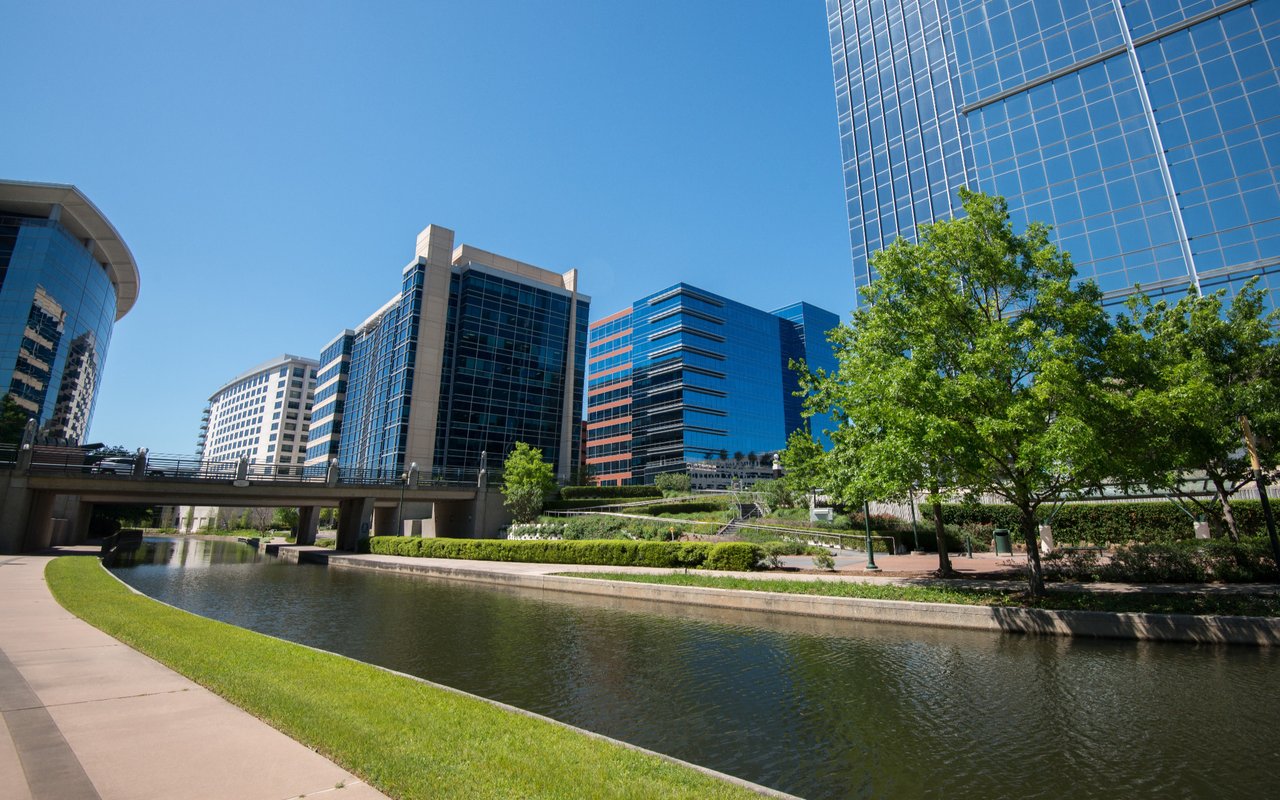
Living inside the Loop places you close to Houston’s biggest job centers and cultural districts. The River Oaks District sits on the north side of River Oaks, with Highland Village immediately west along Westheimer and San Felipe. Afton Oaks is directly north and offers established residential streets with a mature tree canopy. The result is an urban-luxe lifestyle where you enjoy proximity to shopping and parks while still feeling residential and private.
Shopping and dining at your doorstep
River Oaks District highlights
River Oaks District is a curated, open-air luxury destination with designer boutiques, fine dining, and landscaped plazas perfect for a latte stroll or an evening out. Since its 2015 opening, it has anchored a flagship retail node for the Inner Loop. Explore the district’s current retail and dining mix on the official River Oaks District site to get a feel for the experience.
Highland Village complements
Highland Village brings a long-established mix of restaurants, boutiques, and everyday services that complement the District’s high-fashion focus. Think weeknight dinners, quick errands, and lifestyle essentials within a few minutes of home. For current tenants and events, browse the Highland Village directory.
Daily conveniences and services
You will find multiple grocery options, specialty markets, pharmacies, and boutique fitness studios within a short drive. Personal services like salons, spas, and private training studios cluster along Westheimer, San Felipe, and adjacent corridors. Most residents rely on quick car trips or rideshare for errands, though some addresses immediately next to the retail cores can manage light errands on foot. Expect weekday daytime to feel relaxed and weekends to be livelier.
Parks and the outdoors nearby
Two of Houston’s premier green spaces are close enough to make outdoor time a regular habit. Memorial Park offers miles of running and biking trails, a golf course, and active recreation facilities maintained by the Memorial Park Conservancy. For scenic waterfront paths and skyline views, the trails and programming curated by the Buffalo Bayou Partnership provide easy access for jogging, cycling, and dog walking. Together, these parks support an everyday outdoor routine without a long drive.
Culture and nightlife access
You can reach the Museum District, Theater District, and midtown nightlife in a short drive, which keeps after-work plans simple. Closer to home, River Oaks District and Highland Village offer upscale dining, wine bars, and patios for a more walkable evening. Weekends tend to be busiest, so plan ahead for dinner reservations or valet.
Getting around: roads and commute
Primary routes like Westheimer, San Felipe, and the West Loop I-610 connect you to Houston’s major employment hubs. Drives to the Galleria are often under 10 to 20 minutes depending on the time of day. Downtown and the Texas Medical Center commonly run 10 to 25 minutes in light traffic, with rush-hour congestion adding time. Airports are accessible by highway, with typical ranges from 30 to 60 plus minutes depending on route and timing. Houston traffic is variable, so check real-time conditions and time-of-day averages as you plan.
Public transit and mobility
There is no METRORail stop directly in Afton Oaks or River Oaks. Local bus routes serve major corridors like Westheimer, San Felipe, and Kirby, and schedules may shift periodically. Review current routes and frequencies through METRO if bus commuting matters for you. Rideshare is common for evenings out, and you will find bike and pedestrian facilities along the bayou and in parks for fitness and recreational trips.
What day-to-day feels like
Despite pedestrian-friendly plazas, the area functions primarily as an auto-oriented environment. Expect to use short car trips or rideshare for most errands. Restaurants often offer valet, and on-street parking varies by block and time of day. Weekend evenings can be lively, while weekday mornings and afternoons are calmer for errands.
Homes and who this fits
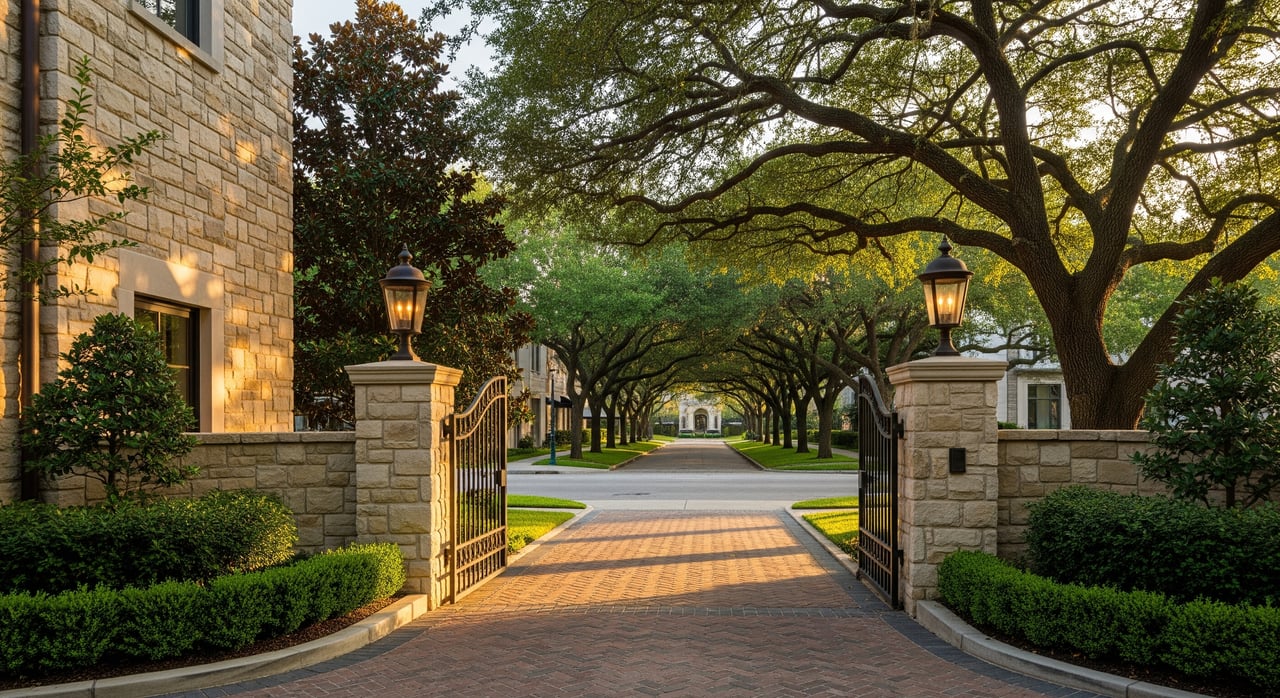
You will see a range of high-value single-family homes, many of them renovated or rebuilt, alongside newer townhomes and a limited number of luxury condos. Afton Oaks includes earlier mid-century homes on modest lots, plus ongoing teardown-rebuild activity that brings modern construction into the mix. This area fits buyers who want urban convenience, quick access to lifestyle amenities, and either turnkey luxury homes or low-maintenance townhome living. If you prioritize parks, dining, and centrality over large suburban yard space, the fit can be excellent.
Why proximity supports long-term value
- Amenity premium: Being close to curated shopping, dining, and major parks tends to support steady demand through different market cycles.
- Scarcity inside 610: Limited available land inside the Loop has historically supported stronger per-acre values relative to outer areas.
- Renovation and infill: Ongoing teardown-rebuild activity helps keep the housing stock current and attractive to today’s buyers.
- Schools: Many buyers look at both public and private options. Always verify current zoning and programs for any specific address.
- Balanced view: Luxury markets can be more sensitive during downturns, and retail rosters evolve over time. Use multi-year data and neighborhood-level comps for a clearer picture of value.
For market data and parcel-level details, consult the Houston Association of Realtors’ market statistics and the Harris County Appraisal District. If you want to understand near-term construction and streetscape changes that can affect traffic patterns, check the City of Houston Permitting Center for active projects.
Risk and due diligence checklist
- Flood risk: Portions of central Houston have varying flood exposure. Review FEMA flood maps and obtain elevation and flood-history disclosures for any property. Start with the FEMA Map Service Center at the official FEMA portal.
- Commute testing: Drive your likely routes during typical rush-hour windows before you buy.
- Retail reality: Expect occasional tenant turnover. Focus on the district’s overall strength rather than any single merchant.
- Parking comfort: Confirm garage and driveway capacity at the property and note restaurant valet norms for your favorite spots.
- Noise and activity: Visit at different times of day, including weekend evenings, to gauge traffic and ambiance near your street.
Smart next steps
- Define your must-haves: single-family vs. townhome or condo, yard size, garage needs, and proximity to parks or retail.
- Verify the essentials: flood zone status, current school zoning, and any deed restrictions or association guidelines.
- Review comps: use multi-year neighborhood comps, not just one-month snapshots, for pricing and trend context.
- Plan your mobility: test drives to your primary destinations and review METRO schedules if transit matters.
- Inspect the surroundings: note active construction, upcoming city projects, and typical parking availability near your block.
When you are ready to explore Afton Oaks and River Oaks options with a discreet, data-oriented approach, connect with JD Adamson for a confidential consultation and curated property plan.
FAQs
Is River Oaks District walkable for daily errands if you live in Afton Oaks?
- Some errands are walkable from immediate adjacency, but most residents use short car trips or rideshare for daily needs due to the area’s auto-oriented layout.
How long are typical commutes from Afton Oaks or River Oaks to major job centers?
- The Galleria is often under 10 to 20 minutes, Downtown and the Texas Medical Center are commonly 10 to 25 minutes in light traffic, and airport drives range from 30 to 60 plus minutes depending on time of day.
What parks are close to River Oaks District and Afton Oaks?
- Memorial Park and Buffalo Bayou Park are the primary nearby green spaces, with trails and amenities supported by the Memorial Park Conservancy and the Buffalo Bayou Partnership.
Does the area have public transit options?
- There is no nearby METRORail station, but local bus routes serve Westheimer, San Felipe, and Kirby; check routes and schedules with METRO.
What should buyers consider about flood risk near River Oaks District?
- Always confirm FEMA flood zone status, request property-specific flood history and elevation information, and review the FEMA Map Service Center for official maps.
How does living near River Oaks District affect resale value?
- Proximity to curated retail, dining, and parks often supports demand and pricing resilience, but luxury markets are cyclical, so rely on multi-year trends via HAR market statistics and property specifics from HCAD.