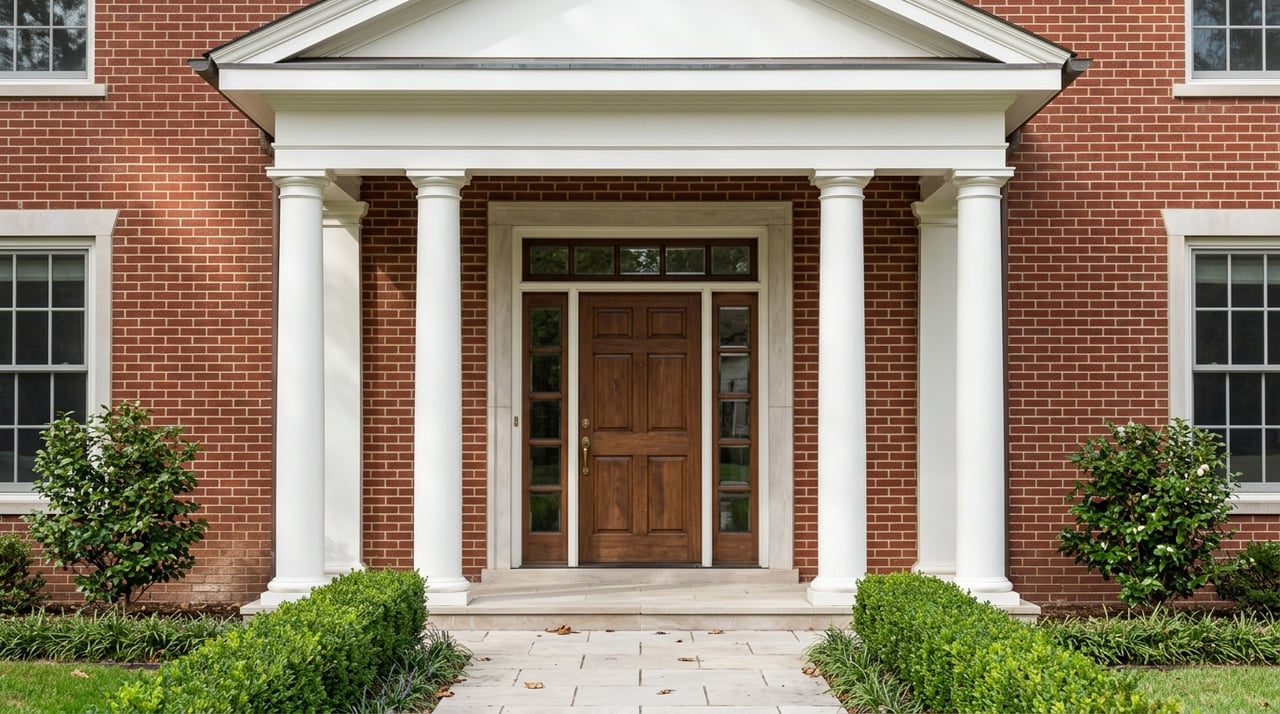
Curious why River Oaks feels so visually distinct from other luxury neighborhoods in Houston? It is not just the size of the homes or the prestige of the address. River Oaks was planned with a strong architectural vision from the start, and that vision still shapes how buyers and sellers experience the neighborhood today. If you want to understand what gives River Oaks homes their lasting appeal, this guide will walk you through the styles, details, and design choices that matter most. Let’s dive in.
Why River Oaks Architecture Stands Out
River Oaks was developed in the 1920s as Houston’s first master-planned community. From the beginning, the neighborhood emphasized landscape design, esplanades, underground utility lines, limited intersections, and architectural controls enforced through deed restrictions and a property owners’ association.
That planning gave River Oaks a more composed look than many luxury neighborhoods that evolved over time without the same guardrails. Instead of reading like a random collection of large homes, the area feels intentional, layered, and visually cohesive.
City of Houston reports also show that architecture in River Oaks was carefully curated. Charles Oliver, the River Oaks Corporation’s in-house architect from 1926 to 1931, designed about 75 homes in the neighborhood across several styles, and more than 100 River Oaks houses have been designated as City landmarks.
Colonial and Georgian Influence
Symmetry Defines the Streetscape
When many people picture a classic River Oaks estate, they are often imagining some version of Colonial Revival, Southern Colonial, or Georgian design. These styles form the backbone of the neighborhood’s traditional luxury identity.
Common features include symmetrical facades, centered front entries, gabled or hipped roofs, shutters, brick veneer, pediments, pilasters, and Doric columns. Together, those details create a sense of order and permanence that fits River Oaks especially well.
Southern Colonial Feels Especially Local
The City of Houston specifically identifies Southern Colonial as a distinct River Oaks style, especially along River Oaks Boulevard and among some of the area’s mansion-scale homes. That matters because it shows how the neighborhood developed its own version of traditional architecture rather than simply copying national trends.
For buyers, these homes often stand out because the design language is easy to read from the street. For sellers, that clarity can be a strength when a home has retained the features that make the style feel authentic.
Tudor Revival Adds Texture
Steep Rooflines and Masonry Character
Tudor Revival is another defining River Oaks style, especially in the original sections of the neighborhood. City landmark reports identify Tudor examples on streets including Kirby, Del Monte, and Pelham.
These homes are known for steeply pitched roofs, decorative chimney pots, vergeboards, and rich combinations of brick and stone cladding. The look is more textured and storybook than Colonial styles, but still formal enough to fit River Oaks’ established character.
English Picturesque Softens the Formality
Related homes in the English Picturesque mode add another layer to the neighborhood. These houses often keep the romantic massing and material richness of older European-inspired design while blending in more modern details.
That mix helps explain why River Oaks never feels flat or repetitive. Even homes with traditional roots can vary meaningfully in proportion, detailing, and street presence.
French and Mediterranean Styles Shape Variety
French Eclectic and Renaissance Details
French Eclectic and French Renaissance homes bring a more refined, slightly asymmetrical elegance to River Oaks. City descriptions of landmark homes in the neighborhood point to features such as stucco or brick veneer, hipped roofs, quoins, and flared eaves.
These houses often feel formal without becoming rigid. Their layouts and facades can appear more relaxed than Georgian homes, while still presenting a polished and intentional exterior.
Mediterranean and Norman Expand the Palette
River Oaks also includes Mediterranean and Norman influences, in part because Charles Oliver’s portfolio included both. That broader mix of styles is one reason the neighborhood feels architecturally rich rather than visually repetitive.
In practical terms, this means River Oaks luxury is not defined by one look. It is defined by high-quality design, disciplined proportions, and a consistent relationship between architecture and setting.
Contemporary Modern Has a Place
Modern Homes Belong in River Oaks Too
Although River Oaks is widely associated with revival-era architecture, later modern homes are also part of the neighborhood’s story. The City of Houston describes the 1950 Neuhaus house on Lazy Lane as one of Houston’s best examples of contemporary modern architecture.
These homes rely less on ornament and more on proportion, restraint, and material quality. Instead of columns, shutters, or historical detailing, they make their impression through clean lines, composition, and disciplined exterior design.
Restraint Matters in Modern Design
In River Oaks, successful modern architecture tends to feel intentional rather than loud. A well-designed modern house still respects the neighborhood’s emphasis on siting, landscape, and overall visual coherence.
That is important for buyers comparing homes across eras. A modern property can absolutely feel at home in River Oaks when the design is confident, clean, and connected to its setting.
Landscaping Is Part of the Style
Architecture in River Oaks has never been just about the house itself. The original plan emphasized landscaping and esplanades, and the neighborhood is still widely recognized for its tree-lined streets and the annual Azalea Trail.
That means curb appeal in River Oaks is shaped by both structure and setting. Mature trees, layered planting, and a well-kept front approach help reinforce the architecture instead of competing with it.
National real estate research also supports the value of exterior presentation. Seller recommendations commonly include cleaning, decluttering, and improving curb appeal, while outdoor feature data points to strong cost recovery for landscape maintenance and overall landscape upgrades.
For River Oaks specifically, the safest takeaway is simple: the most compelling homes usually present a coherent exterior story. The architecture, landscaping, lighting, and entry sequence should all feel like they belong together.
Why Style Matters for Resale
Authenticity Creates Stronger First Impressions
Houston preservation guidance says a property’s historic character is shaped by its period and style, materials, siting, setting, and overall integrity. It also cautions against adding elements from a different period in ways that create a false historical impression.
In River Oaks, that principle has real market relevance. A house often reads as more valuable from the street when its original architectural language is still clear and consistent.
Coherence Usually Wins
That does not mean one style always resells better than another. Instead, the better rule is that a well-kept, coherent version of any style usually makes the strongest impression.
A Colonial home should still read as Colonial. A Tudor should keep its roofline and masonry logic. A modern home should stay restrained and materially disciplined. Buyers notice when a home feels resolved.
What Buyers Should Watch For
Look Beyond Square Footage
If you are buying in River Oaks, it helps to look past size alone. The front facade, roofline, window proportions, materials, and siting often tell you more about long-term appeal than raw square footage at the street.
Homes that respect their original design language often feel more complete. They also tend to fit more naturally into the surrounding streetscape, which matters in a neighborhood known for architectural continuity.
Do Your Due Diligence Early
Houston does not have a formal zoning ordinance, so deed restrictions can be especially important. In River Oaks, private review still plays a major role, and major projects generally require approval from the River Oaks Property Owners organization before work begins.
The City of Houston also states that exterior alterations, additions, new construction, relocation, and demolition in designated historic settings may require a Certificate of Appropriateness. If you are considering a purchase with renovation plans, early due diligence is essential.
What Renovators Should Keep in Mind
Respect the Original House
Houston’s preservation manual recommends compatible massing, size, scale, material, and character for alterations. It also prefers rear additions that remain secondary to the original structure.
In River Oaks, that often means preserving the front-facing identity of the home instead of trying to reinvent it. Expanding a house is one thing. Overwriting its architectural logic is another.
Modern Updates Can Work
Modern living and older architecture are not in conflict when the work is handled thoughtfully. Contemporary interiors, updated systems, and functional improvements can all work well when the home’s exterior proportions, materials, and setting remain legible.
The strongest renovations usually make the house live better without making it lose itself. In a neighborhood as style-aware as River Oaks, that balance matters.
If you are preparing to buy, renovate, or sell in River Oaks, architectural style is not a niche detail. It is part of how value is perceived, how homes compete, and how a property tells its story from the street. For tailored guidance on positioning a luxury home or evaluating a style-sensitive purchase, connect with JD Adamson.
FAQs
Which architectural styles are most associated with River Oaks luxury homes?
- River Oaks is most closely associated with Colonial Revival, Southern Colonial, Georgian, Tudor Revival, French Eclectic, French Renaissance, Mediterranean, and Norman styles, along with some later contemporary modern homes.
Does landscaping matter for River Oaks home value and presentation?
- Yes. River Oaks was planned with a strong emphasis on landscaping and esplanades, and exterior presentation remains an important part of curb appeal and market perception.
Can you renovate an older River Oaks home in a modern way?
- Yes, if the renovation respects the home’s original proportions, materials, and setting rather than overwhelming or confusing its architectural character.
What should buyers know before renovating a River Oaks home?
- Buyers should review deed restrictions, understand River Oaks private approval requirements for major projects, and confirm whether a Certificate of Appropriateness may be required for exterior work in a designated historic setting.
Why does architectural coherence matter in River Oaks?
- Coherence helps a home make a stronger first impression because buyers can clearly read the style, materials, and design intent from the street.